Caring for the Gums Under Implant Supported Dentures
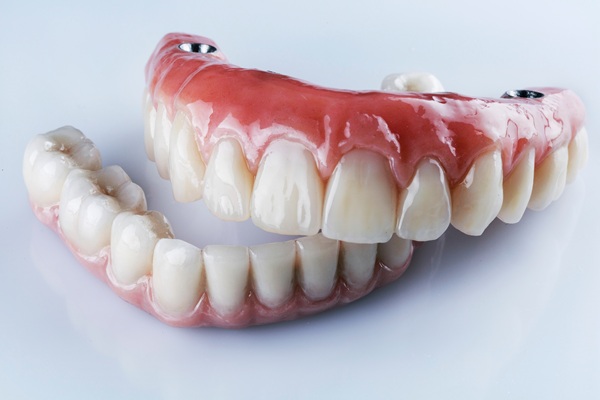
Implant-supported dentures have the look and feel of natural teeth, and these appliances also need to be carefully cleaned and maintained like natural teeth. When combined with healthy practices, implant-supported dentures can offer many dental health benefits.
First, their stability can allow patients to enjoy a wider variety of healthy foods. Eating a varied diet can have many health benefits, and implant-supported dentures can help make this possible. The implants also help to continually stimulate the bone tissue in the jaw, resulting in less bone loss than with traditional dentures. This can help reduce the risks of deterioration, fractures, and changes in face shape. Finally, this type of smile restoration can boost a person's confidence, allowing them to engage in more social interactions in a variety of settings. This can help improve their overall quality of life.
Oral hygiene is important for not only preventing tooth loss but also for preventing gum disease. Poor dental hygiene practices can lead to infection in the gums, a problem that causes an implant to fail if not addressed. Paying attention to the teeth, tongue, and gums as a part of routine care can prevent worrisome dental conditions from affecting implants.
Oral health concerns with dentures
One of the more appreciated benefits of dentures that rely on implants is the stability that exists. With traditional dentures, the appliance can easily shift and move, causing the gums to become irritated and sore. Fortunately, implanted supported teeth are secured through the abutment in the jawbone, reducing the likelihood of slipping and subsequent discomfort and infections. However, other oral health concerns can impact gum health with these dentures.
While dentures may be artificial teeth, the rest of the mouth can be affected by concerns like gingivitis. The dentures themselves could also become discolored or stained. Thoroughly cleaning and removing the dentures at night can help prevent infections, damage, or other complications. Bacteria can get trapped underneath the appliance or between the teeth, irritating the gums and potentially leading to the serious concern of gum disease. If gum disease becomes advanced, it can lead to tissue and bone loss that affects the stability of the implant.
Oral health practices for implant-supported dentures
The gums have an integral role in keeping dentures and implants in place. Though the teeth themselves should be cleaned to avoid staining, good oral hygiene practices support gum health.
Brushing and flossing
Though artificial, denture teeth can still trap food and bacteria in the mouth. It is recommended that the dentures be cleaned in the morning after a meal and after the last meal or snack of the day. With supported removable dentures, these should be taken out at night to let the gums rest. It also provides the opportunity to thoroughly clean around the abutment implant pillars. Make sure that all the gaps and spaces in the mouth are brushed, freeing up the debris that has lodged against the gums.
It is important to brush the tongue and the gums to remove any lingering bacteria. Use a soft-bristled brush to avoid damaging the gum tissue and use a toothpaste that is non-abrasive and provides antibacterial support. Extend this cleaning by flossing between the teeth or areas where the denture may touch the gum tissue.
If your implant-supported dentures are not removable, it is important to take extra care when cleaning the appliances and your gums. It can be difficult to clean underneath permanent dentures, so dentists often recommend the use of a water flosser to help dislodge trapped food particles and control the bacterial buildup. Your dentist may also recommend a mouth rinse to neutralize any lingering bacteria.
Professional maintenance and cleaning
Be sure to schedule regular dental visits to assess the health of the gums and jawbone. During these visits, a dentist will professionally clean the gums and address concerns with gingivitis. If you experience any changes with your dentures or the tissues around them, do not wait until your six-month checkup to address them. Contact your dentist for an evaluation promptly. Some minor adjustments or cleanings can help provide relief.
Conclusion
Proper fitting dentures help protect the gums, but long-term health depends on care and maintenance. Keeping an oral hygiene routine that includes brushing and flossing, as well as scheduling regular checkups, can keep the gums healthy under implant-supported dentures. Always follow the dentist's specific recommendations for at-home care. If you notice any changes or concerning symptoms, contact your dentist promptly.
Request an appointment here: https://www.ayfamilydental.com or call A.Y. Family Dental at (630) 687-1322 for an appointment in our Naperville office.
Check out what others are saying about our dental services on Yelp: Implant Supported Dentures in Naperville, IL.
Related Posts
The All-on-4® system provides people who have lost most of their teeth with a more convenient alternative to dentures. It combines two of the most popular dental restorations — implants and dentures —to craft a new smile. Dentists typically recommend All-on-4® for people who have lost most of their teeth.Implants are the most effective way…
Tooth loss can make eating difficult, change the way you speak, and affect your self-confidence. Dentures have long helped solve this problem by replacing missing teeth. Moreover, they remain a popular option because they restore the smile in a natural, comfortable way. Learning more about how dentures work and what the process involves can help…
Curious about overdentures? This review discusses what overdentures are and how long you can expect them to last. If you are having issues with your dentures or have yet to start the tooth replacement process and have concerns with the strength and reliability of traditional removable dentures, then overdentures that are supported by dental implants…
If you are the proud owner of new dentures, you may wonder what the adjustment period will be like. Although dentures replace missing teeth and give you an improved smile, they do take a little while to get used to. For many people, it can take up to a month to feel comfortable wearing them…