When Should You Choose a Dental Bridge Over an Implant?
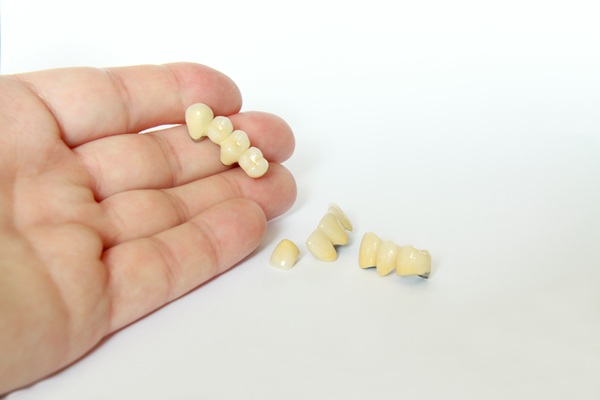
A dental bridge can replace a missing tooth without surgery and often restores comfort and appearance quickly. Although dental implants provide a strong, long-term option for many patients, they do not fit every timeline, budget, or health situation. A general dentist typically compares bone support, gum health, bite forces, and the condition of nearby teeth before recommending either approach. The right choice depends on which solution fits the mouth and supports predictable function.
How a dental bridge and an implant differ
A traditional dental bridge relies on the teeth adjacent to the missing space for support. Those adjacent teeth, called abutments, usually receive crowns that anchor the bridge, and the replacement tooth spans between them. This design restores chewing and helps prevent the drifting of surrounding teeth. A bridge does not require an implant post in the jawbone, which can simplify the treatment process in certain cases.
An implant replaces the root structure with a small post placed in the bone, and a crown is placed after healing. This approach supports the jawbone in the area and does not rely on neighboring teeth for anchorage. Healing time and surgical planning typically extend the implant process. Both options can look natural when the shape and shade match the surrounding teeth.
Situations where a dental bridge makes more sense
A bridge often becomes the practical choice when time, anatomy, or medical considerations make implant placement less ideal. Many patients want a stable restoration with fewer steps, and a bridge can meet that need when the supporting teeth and gums allow it. These scenarios commonly point toward a bridge as the better fit:
- A faster solution is needed due to a personal timeline, work demands, or a major upcoming event
- Bone volume is limited, and a patient prefers to avoid grafting procedures
- Certain medical conditions or medications complicate surgical healing and increase implant risk
- Adjacent teeth already need crowns due to large fillings, cracks, or extensive wear
A general dentist also considers the size of the gap and the way the teeth meet. In some cases, bite forces or tooth position make a bridge more predictable than an implant, especially when the adjacent teeth provide reliable support.
When health factors influence the decision
Overall health plays a major role in healing and long-term stability. A patient with uncontrolled diabetes, heavy tobacco use, or chronic inflammation may face a higher risk of complications after surgery. When systemic factors limit the predictability of healing, a bridge can provide a non-surgical path to tooth replacement. This option can still restore chewing efficiency and improve speech clarity when a missing tooth affects pronunciation.
Gum health and hygiene patterns also matter. An implant requires stable gums and consistent plaque control to help prevent peri-implant disease. A bridge also requires thorough cleaning, but the maintenance regimen differs because the replacement tooth sits above the gumline. A general dentist reviews home care habits and recommends the option that aligns with realistic daily maintenance.
Aesthetics and function: what patients usually notice
Both restorations can provide a natural smile, but the smile zone demands extra planning. In front-tooth areas, gum contour and tissue thickness influence the final appearance of the result. A bridge may provide a consistent look when adjacent teeth already match well, and the gumline remains stable. An implant can also look highly natural, but tissue shaping and healing time may complicate aesthetics in certain cases.
Function depends on bite alignment, chewing patterns, and the condition of neighboring teeth. A bridge restores the space and helps distribute forces across the supporting teeth. An implant often feels more like a standalone tooth because it functions independently. A general dentist evaluates whether forces in the area could overload a bridge or place excessive stress on an implant crown.
When an implant tends to be the better choice
A bridge can be an excellent solution, but some situations strongly favor an implant. If adjacent teeth are healthy and do not need crowns, preserving them may be a priority. If the missing tooth area needs bone support to help prevent ridge collapse, an implant can provide that structural benefit. Patients who want a standalone replacement and accept a longer timeline may also prefer an implant. A general dentist weighs these factors against surgical readiness and long-term risk.
Find the solution that works for you
A dental bridge is often the right choice when a non-surgical, efficient solution fits the timeline, and the adjacent teeth can support the restoration. Limited bone volume, medical concerns, or the need to crown nearby teeth can make a bridge more predictable than an implant in specific cases. The best decision is based on a comprehensive exam that evaluates gum health, bite forces, and long-term maintenance needs. A general dentist can recommend whether a bridge or an implant offers the most stable path to comfortable chewing and a natural-looking smile. For more information or to schedule an appointment, call our office.
Request an appointment here: https://www.ayfamilydental.com or call A.Y. Family Dental at (630) 687-1322 for an appointment in our Naperville office.
Check out what others are saying about our dental services on Yelp: Dental Bridges in Naperville, IL.
Related Posts
Choosing a dental crown involves balancing aesthetics, durability, and budget to ensure the long-term health of a damaged tooth. While it is natural to feel some hesitation when a dentist recommends a restorative procedure, a crown is one of the the most proven and effective ways to preserve a natural tooth for the future. If…
Dental crowns are a great way to repair teeth that are damaged by decay or dental trauma, and they are commonly used for a variety of other purposes as well. While many are familiar with what dental crowns are, it can be helpful to understand exactly how they are bonded to a tooth, particularly if…
You need a tooth replacement if you have at least one missing tooth. It is embarrassing and uncomfortable to have even one missing tooth. This can be bad for your dental health. Replacing the missing tooth is possible with dental implants, dental bridges, or dentures. If you want to know why you must prepare to…
General dentists use dental crowns to restore damaged or weakened teeth, improving their function and appearance. However, the benefits of dental crowns can be compromised by bruxism. Bruxism, the involuntary grinding or clenching of teeth, usually occurs while individuals are asleep but can also affect them while they are awake. This condition can threaten the…